Tangem Swaps Under a Cold-Storage Threat Model
Aggregated swaps are convenient. They are also a policy surface: new routes, new counterparties, and new places where a rushed click becomes an irreversible transaction. Tangem’s public copy for BTC/USDT and BTC/ETH describes educational converters plus an in-app path—open a token, tap Swap, pick receive asset and provider, then scan the card to sign. This page translates that into security language.
What the official flow implies for governance
Tangem is not minting liquidity; it exposes integrated swap routes. Your security job is to treat each route as a third-party processor with its own jurisdiction, logging, and failure modes—then document it like any other vendor.
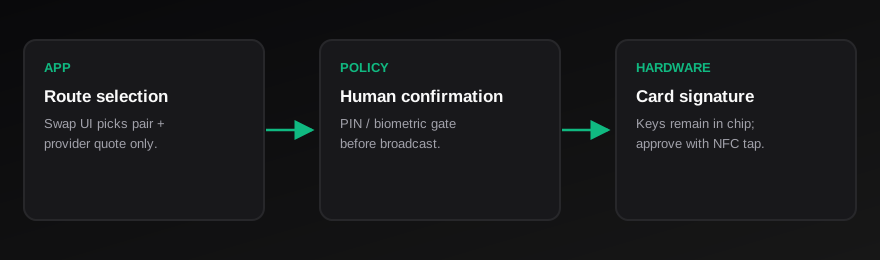
Three execution steps (operator view)
- Token page → Swap. Tangem examples start from an asset context (e.g. USDT) rather than a disconnected form.
- Destination + provider. You choose what you receive—examples include Solana or Ethereum—and which integrated provider supplies the route.
- PIN/biometric + NFC sign. The transaction is not “approved” until the card participates—raising the bar versus pure hot-wallet malware.
Fees, “cheapest route,” and anonymity (audit notes)
Tangem’s FAQ-style text on converter pages states that costs usually include trading and network fees and that comparing routes matters. It also notes DEX paths may involve less registration friction than fiat CEX while regulated venues may require KYC—route-dependent, not product-universal. Log the classification in your vendor register.
After conversion: custody, not convenience theater
Official Tangem guidance points users toward non-custodial hardware storage after trades. That aligns with enterprise cold-storage doctrine: minimize time on custodial rails and keep long-term keys in controlled devices. Pair with our hardware wallet audit and Tangem Solana buy playbook when SOL is your end state.
- Segregate operational swap balances from treasury vaults.
- Reconcile on-chain receipts against approved change tickets.
- Re-run threat intel on new providers before recurring size.
Scannable FAQ for compliance reviewers: Tangem swap FAQ (cold storage lens).
Standardize Tangem, then route swaps deliberately
Order hardware for signing policy, install the app for exploration, and keep test sizes small.
Order Tangem (CRYPTOVAULT) → Install Tangem App →Tangem BTC/USDT converter →
Disclosure: CryoVault Solutions may earn affiliate commissions on qualifying Tangem purchases through our links.